
Wet Scrubber and Ductwork Lining
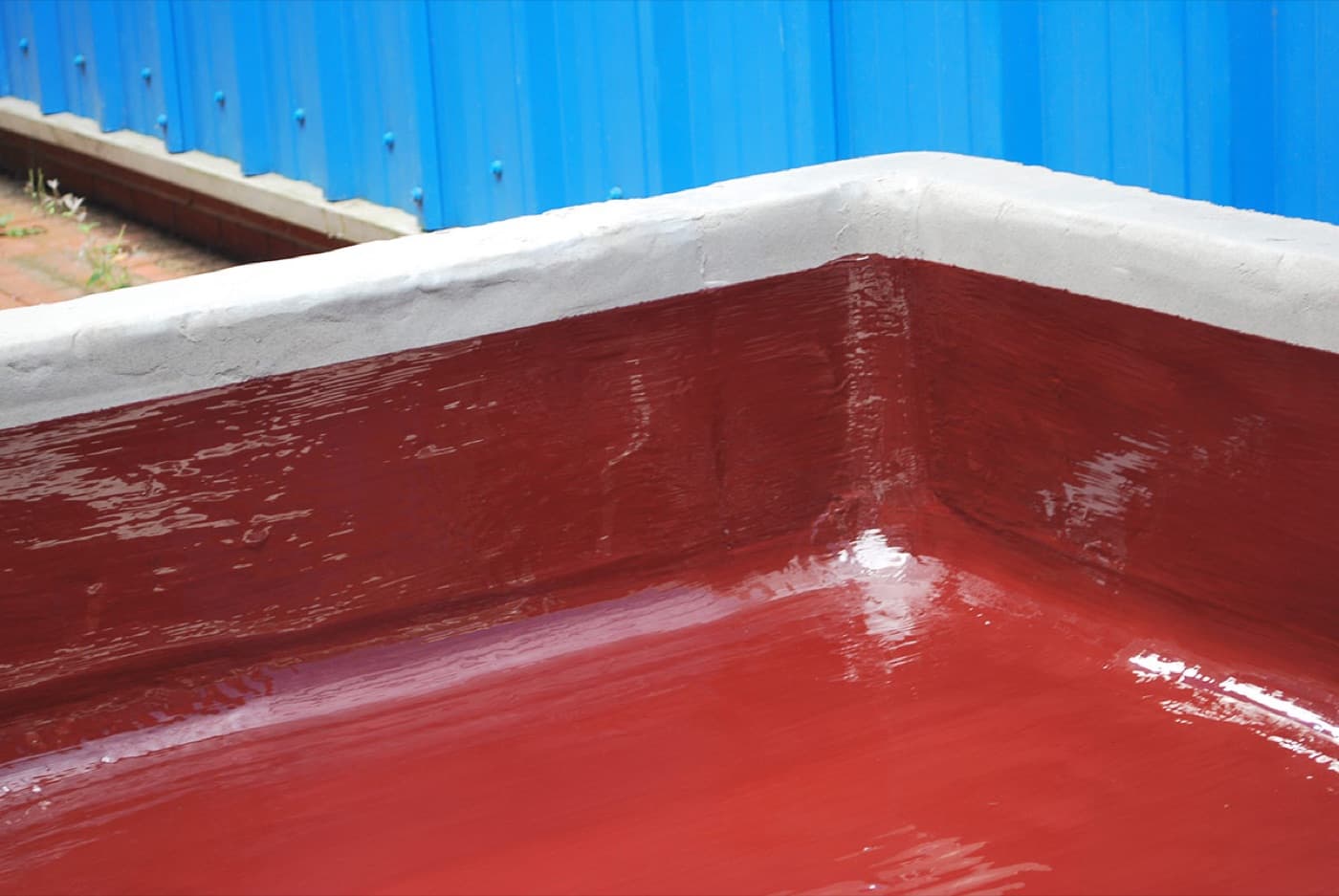
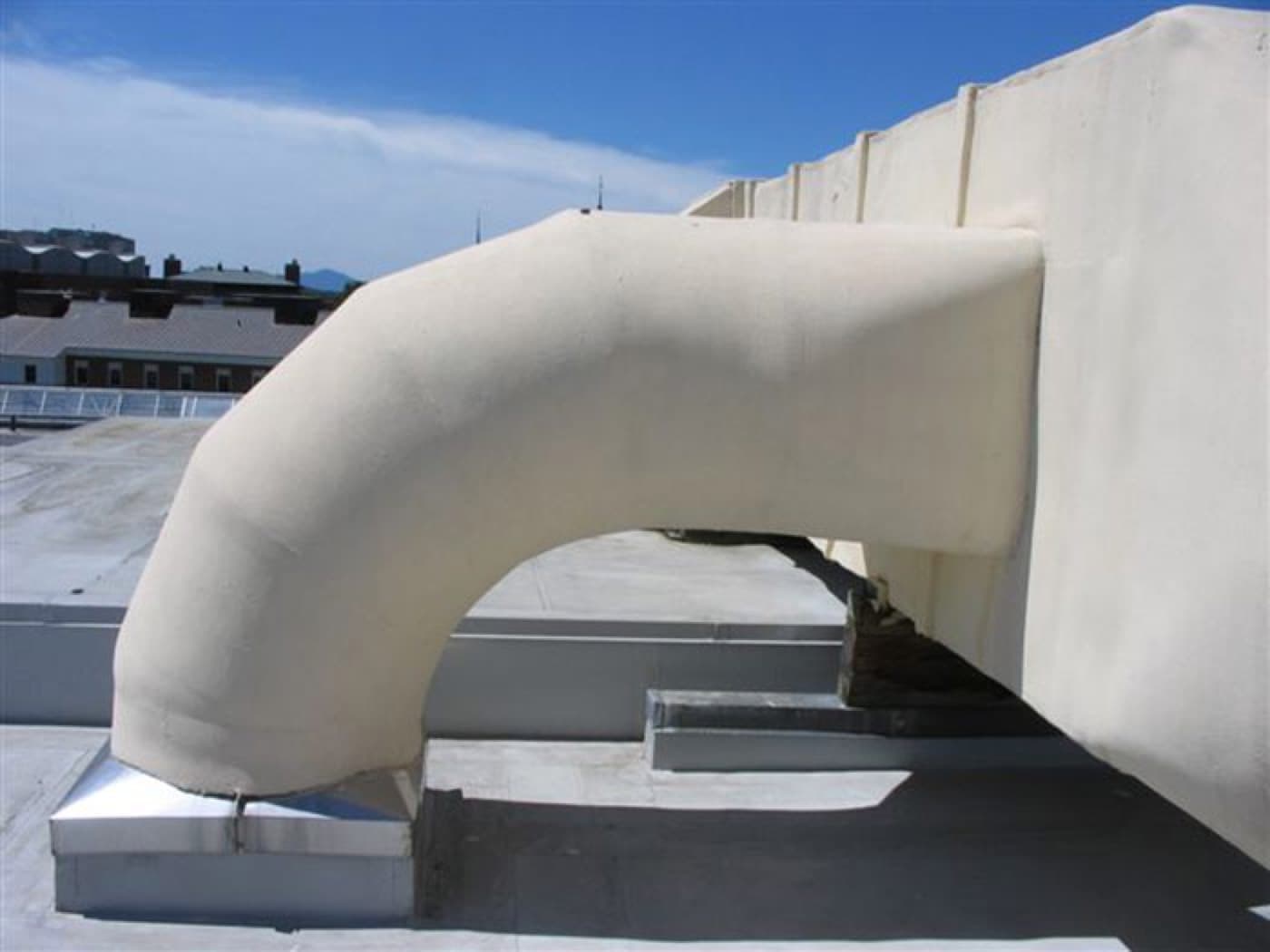
Corroding wet scrubber and ductwork blasted, rebuilt, and lined under one chemical-resistant film so the condensate runs over the lining instead of into the steel.
The challenge
A wet scrubber and its inlet and outlet ductwork corrode where acidic condensate forms on the gas side and runs down the walls. The condensate collects at the seams and the floor, and that is where the attack concentrates, thinning the plate and starting pinholes at the welds. Once a pinhole opens, the scrubber leaks and the duct loses the wall it needs to carry the gas stream safely. Left untreated, the condensate keeps finding the lowest points, the pitting spreads across the plate, and the unit comes off line for repairs that the plant did not plan for.
Our approach
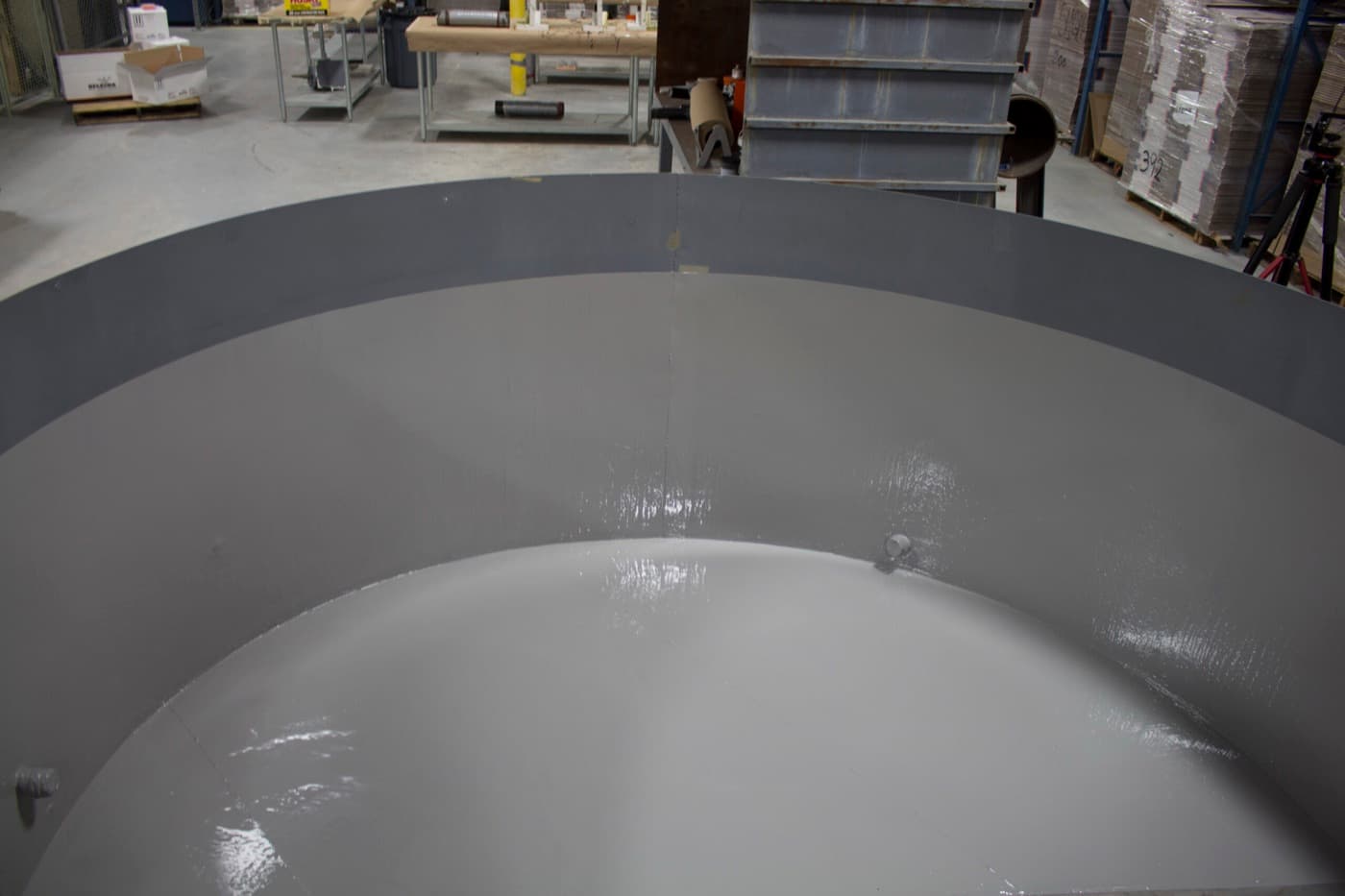
We start by blasting the scrubber internals and the duct walls back to clean steel so the repair and the lining bond to bare metal. We rebuild the thinned seams and the pitted plate with a cold-applied composite to bring the surface back to profile, and we seal the floor where the condensate had been collecting. Then we line the scrubber and duct internals with a chemical-resistant barrier keyed to the gas and the condensate, so the walls, the seams, and the floor all sit under one continuous film. With the lining in place the condensate runs over the barrier and off the unit instead of soaking into the steel.
- Assess and mapWe inspect the scrubber and the inlet and outlet ductwork to map the pitting, the thinned seams, and the floor area where the condensate collects, and we confirm the gas and condensate so the lining is keyed correctly.
- Blast to clean steelWe grit-blast the scrubber internals and the duct walls to a clean, profiled surface so both the composite and the lining bond to bare steel.
- Rebuild seams and pittingWe rebuild the thinned weld seams and the pitted plate with a cold-applied composite, with no hot work, bringing the surface back to profile.
- Seal the floor and line internalsWe seal the floor where the condensate had pooled and apply a chemical-resistant lining across the scrubber and duct internals as one continuous barrier.
- Inspect and return to serviceWe check the lining for continuity over the walls, seams, and floor, then hand the scrubber and ductwork back ready for the gas stream.
The result
- Scrubber and ductwork returned to service without cutting out or replacing plate
- Thinned seams and pitted plate rebuilt in place with no hot work
- Walls, seams, and floor lined under one continuous chemical-resistant film keyed to the gas and condensate
- Repair delivered by factory-trained and factory-certified Belzona applicators
Belzona systems used
In the field
Seeing something like this?
Our Louisiana team will survey your equipment and recommend the right cold-applied Belzona system — supply, apply, or both, with 24-hour support.