
ID Fan Blade and Housing Erosion Lining
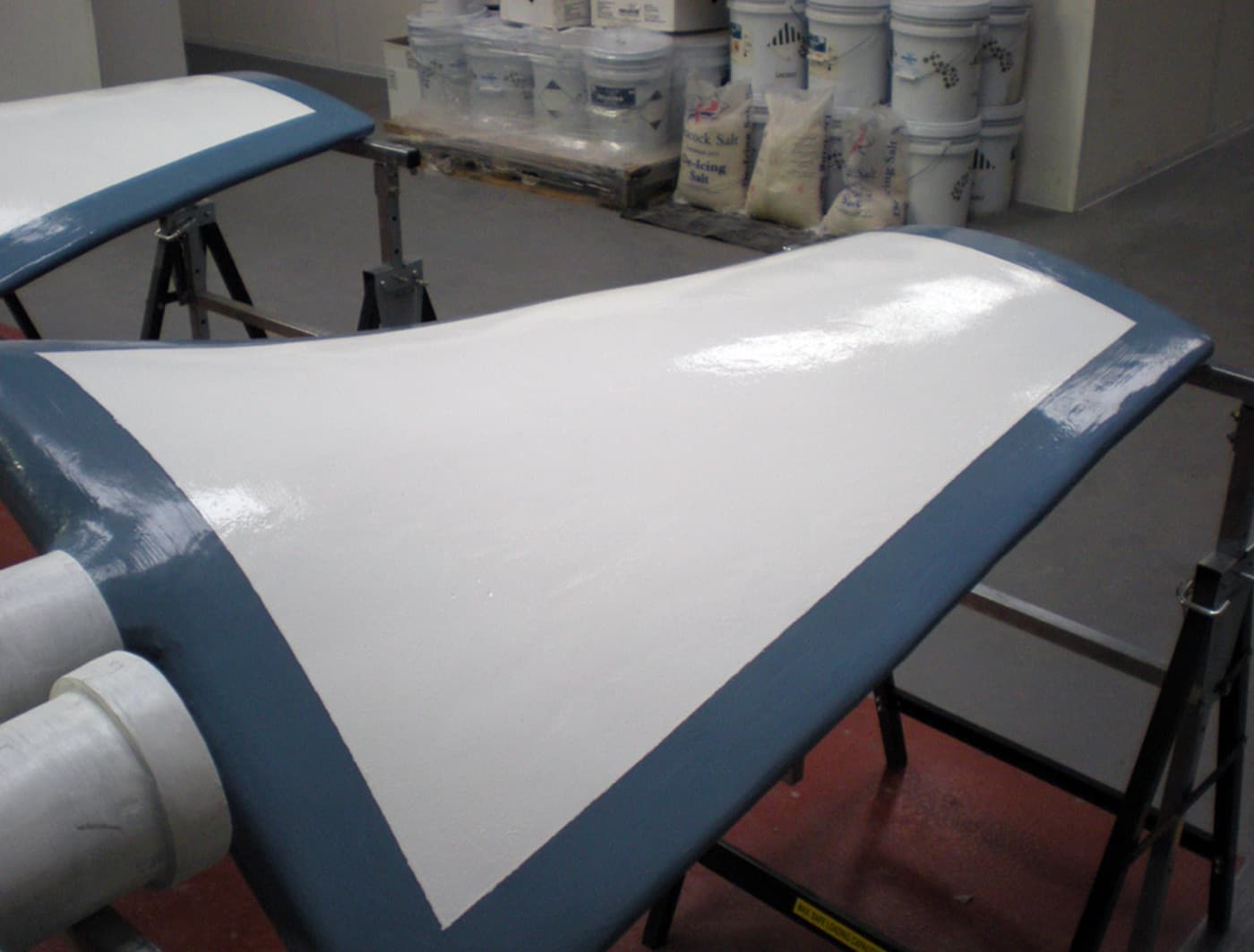
Eroded ID fan blades and scroll rebuilt cold and erosion-lined to bring the rotor back toward balance and restore airflow.
The challenge
An induced-draft fan pulls ash-laden gas across its blades and through its housing, and that ash grinds the metal away over time. The leading edges of the blades thin out, the wear faces lose profile, and the scroll roughens where the gas scours it. As metal comes off unevenly, the rotor falls out of balance, which loads the bearings and shakes the whole assembly. At the same time the roughened, reshaped flow path moves less gas for the same fan speed, so the unit loses the airflow it needs. Left alone, the imbalance and the lost draft only get worse as the ash keeps cutting.
Our approach
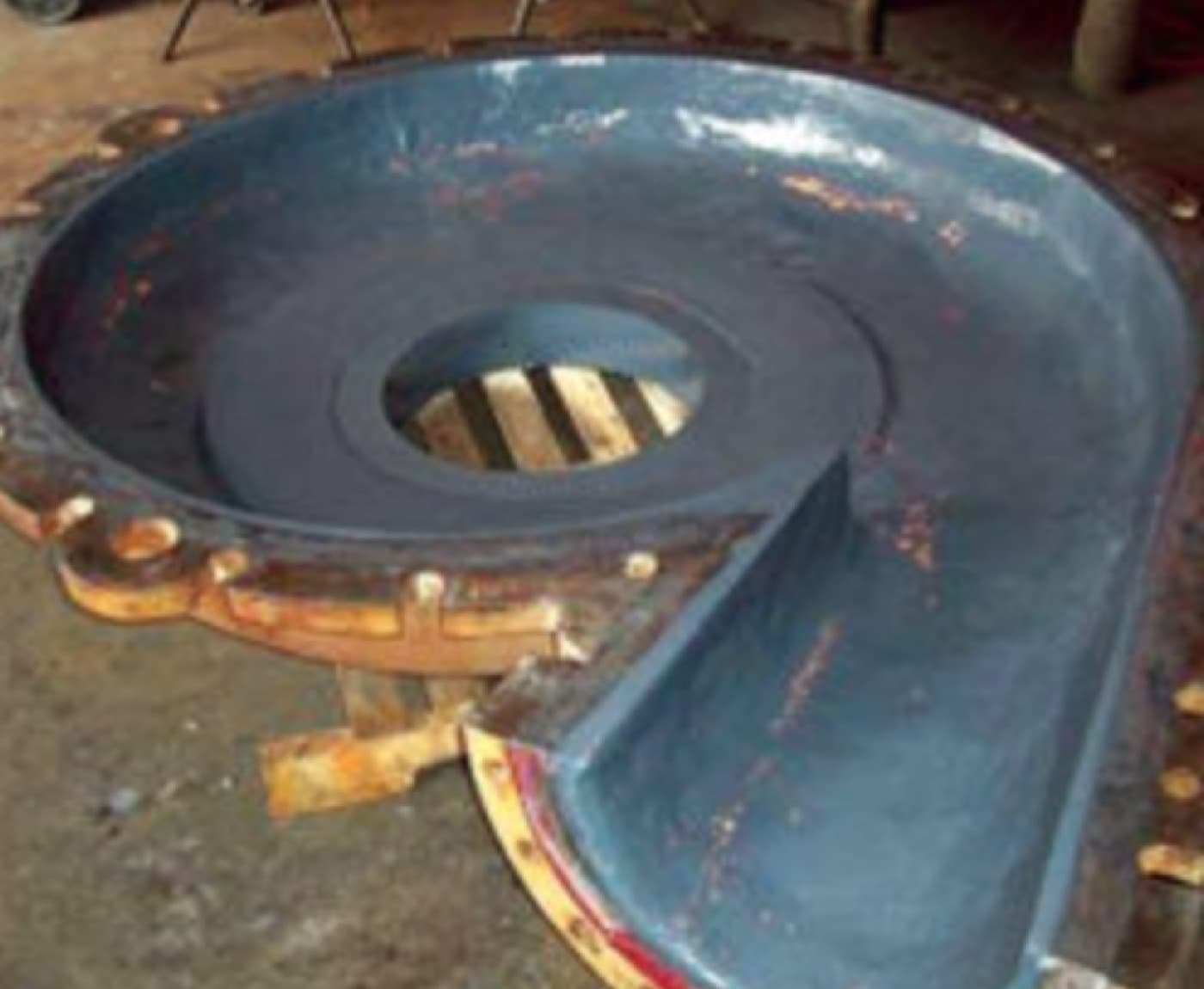
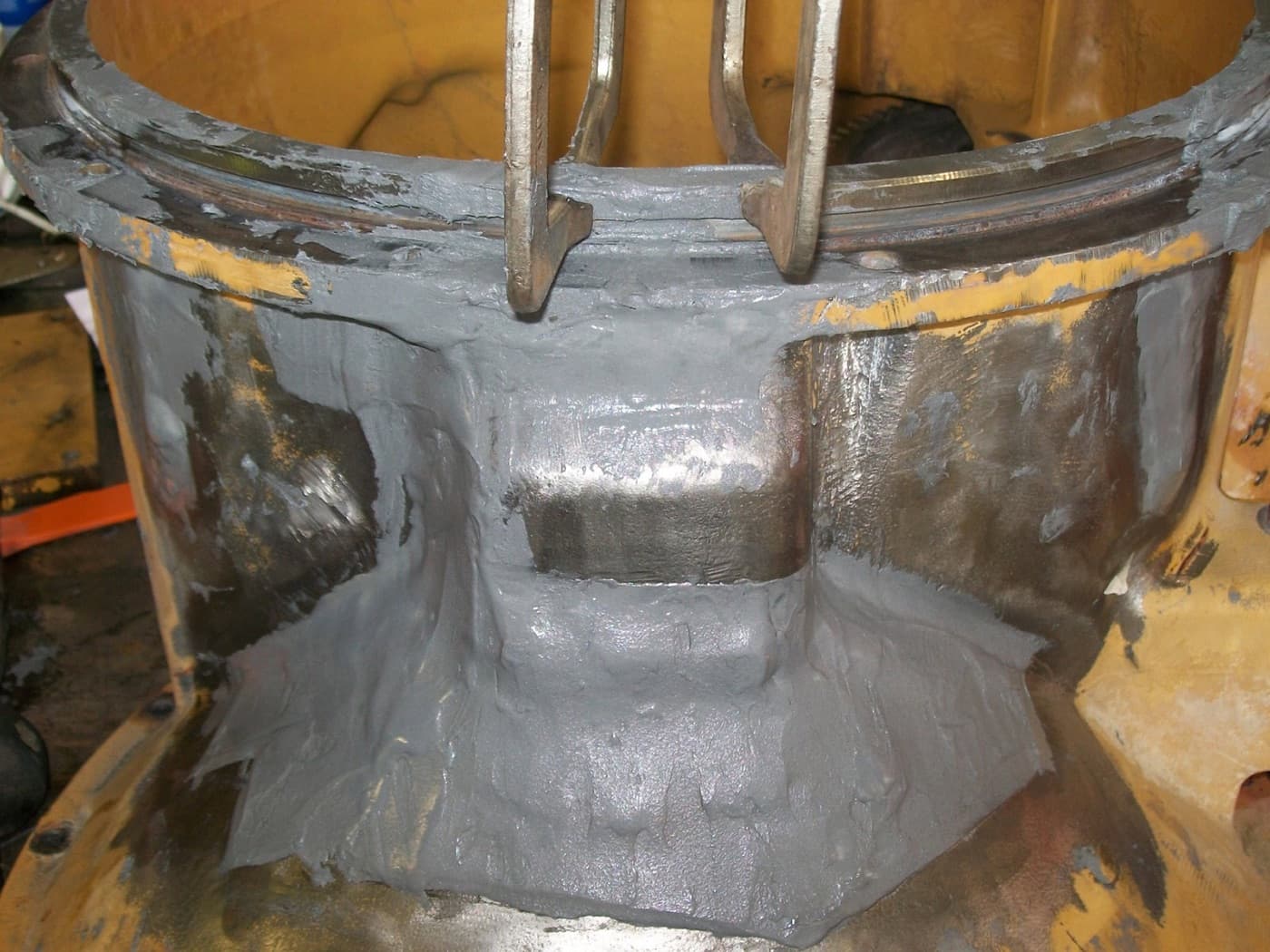
We take the rotor and the housing down and look at where the ash has cut the metal, paying close attention to the blade leading edges and the scroll. We strip the blades and the housing back to clean, profiled metal so the repair has something to grip. Then we rebuild the lost leading-edge and wear-face metal cold with Belzona 1000 Series composites, putting the profile back without any welding or heat into the blades. Once the metal is back, we apply an erosion-resistant lining over the blade faces and across the scroll so the new surface stands up to the ash. The rebuilt edges and the smooth lining bring the rotor back toward balance and open the airflow path the fan needs to do its job.
- Assess the wearWe inspect the rotor and housing to map where the ash has thinned the leading edges, worn the blade faces, and roughened the scroll.
- Strip to clean metalWe grit-blast the blades and the housing back to clean, profiled steel so both the composite and the lining bond to bare metal.
- Rebuild the edges coldWe rebuild the lost leading-edge and wear-face metal with cold-applied composites, restoring profile with no welding or heat into the blades.
- Line the blades and scrollWe apply an erosion-resistant lining over the blade faces and across the scroll to give the gas a smooth surface that resists the ash.
- Balance and return to serviceWe hand the rebuilt rotor and housing back so the unit runs closer to balance with the airflow path restored.
The result
- Eroded leading edges and wear faces rebuilt cold, with no welding or heat into the blades
- Blade faces and scroll lined with an erosion-resistant surface that stands up to ash instead of being ground away
- Rotor brought back toward balance and the airflow path restored, easing load on the bearings
- Repair carried out by factory-trained and factory-certified Belzona applicators
Belzona systems used
In the field
Seeing something like this?
Our Louisiana team will survey your equipment and recommend the right cold-applied Belzona system — supply, apply, or both, with 24-hour support.